Northeast Ohio Regional Library System
Date/Time
4/30/2026 - 5/1/2026
Breakfast begins at 9AM on April 30th and we conclude the retreat at noon on Fri
Breakfast begins at 9AM on April 30th and we conclude the retreat at noon on Fri
Event Registration

Competency
Leadership, Communication, Innovation
Event Description
How do you lead a library when the technological ground is shifting? The 2026 Directors' Retreat: Navigating the AI Horizon-A Leadership Roadmap for Library and Staff Readiness will prepare you for just that. Artificial intelligence is no longer a futuristic concept—it is a present reality already shaping library workflows, vendor tools, and patron expectations. For library leaders, the primary challenge isn’t just understanding the technology, but leading people through the uncertainty it creates.
We will be returning to the Punderson Manor Lodge & Conference Center this year. The retreat will kick off with a light breakfast on Thursday,April 30th at 9:00 a.m. - the perfect time to catch up with your peers. The workshop will begin at 10 a.m. starting with AI Readiness for Library Leaders: Leading Staff, Assessing Readiness, and Understanding Your AI Landscape. The afternoon will focus on Coexisting, Not Competing: Librarianship in the Era of AI . We will conclude the first day at 4:00 p.m. Dinner will be at 6:00 p.m. with the tradition of rich conversations to follow. The second day will start with breakfast at 8:00 a.m. followed by Building an AI Governance Framework. We will conclude at noon with a quick lunch.
Thursday Morning, April 30th: AI Readiness for Library Leaders: Leading Staff, Assessing Readiness, and Understanding Your AI Landscape
Artificial intelligence is already influencing library work through vendor tools, staff experimentation, and patron expectations. For library leaders, the challenge is knowing how to lead people through the questions and uncertainty it brings. This three-hour workshop is designed for library directors, managers, and senior staff who want to build clarity and confidence before making decisions about AI. Participants will develop a practical, leader-focused understanding of AI, explore how staff typically respond to AI-driven change using the SCARF model, and begin examining their organization’s current AI landscape, stakeholders, and areas that may need greater attention. The session balances shared learning with guided reflection, using realistic scenarios and structured mapping activities that can be started during the workshop and continued afterward. Participants will also receive a leadership-oriented checklist outlining common next steps libraries consider as they move from AI readiness toward more intentional exploration or implementation.
Participants will leave with:
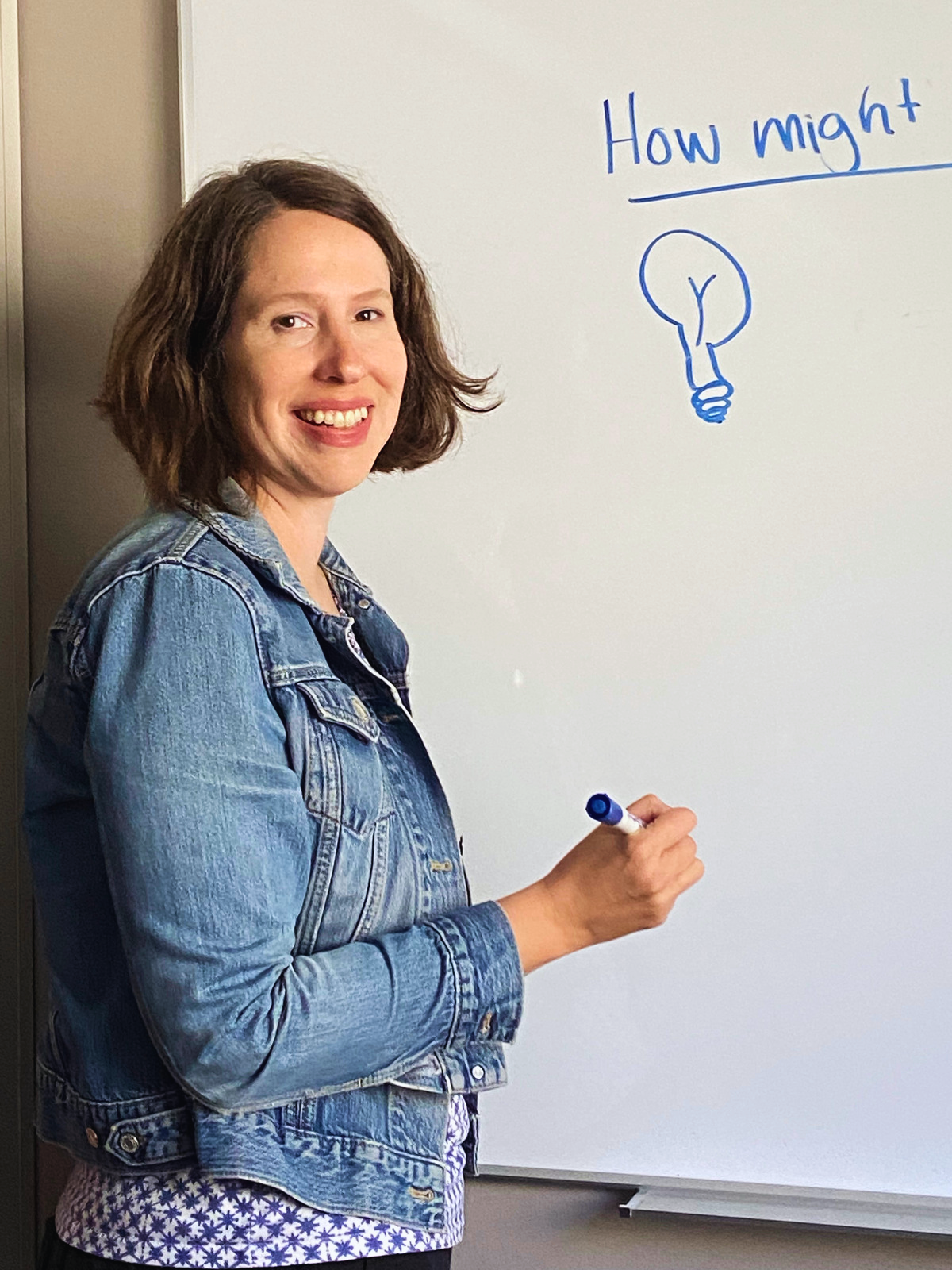 Crystal Trice, CSM, CSM@Scale, Library Consultant, Scissors & Glue, LLC
Crystal Trice, founder of Scissors & Glue, LLC, has over 20 years of experience in education and local government, with a focus on improving collaboration and handling challenging situations with patrons and coworkers. She is passionate about creating environments where people work together more effectively.
With certifications as a Scrum Master and in Scrum at Scale for Government, Crystal holds a Master’s in Library & Information Science and a Bachelor’s in Elementary Education and Psychology. Her dedication to community enrichment fuels her work in supporting organizations to achieve their goals.
Afternoon Session: Coexisting, Not Competing: Librarianship in the Era of AI
While artificial intelligence is not new technology, the ways it can interact with people and information has changed rapidly in the past 5 years. AI chat systems are everywhere - AI in phones, on social media, and as independent services. But what about information professionals and libraries? How does AI affect librarianship and how can we respond? In this presentation, you’ll learn how AI and libraries can coexist through awareness, education, and thoughtful engagement. Librarians don’t need to embrace AI or become experts, but growing their own understanding is a key part of coexisting with AI and serving their users.
Presenters:
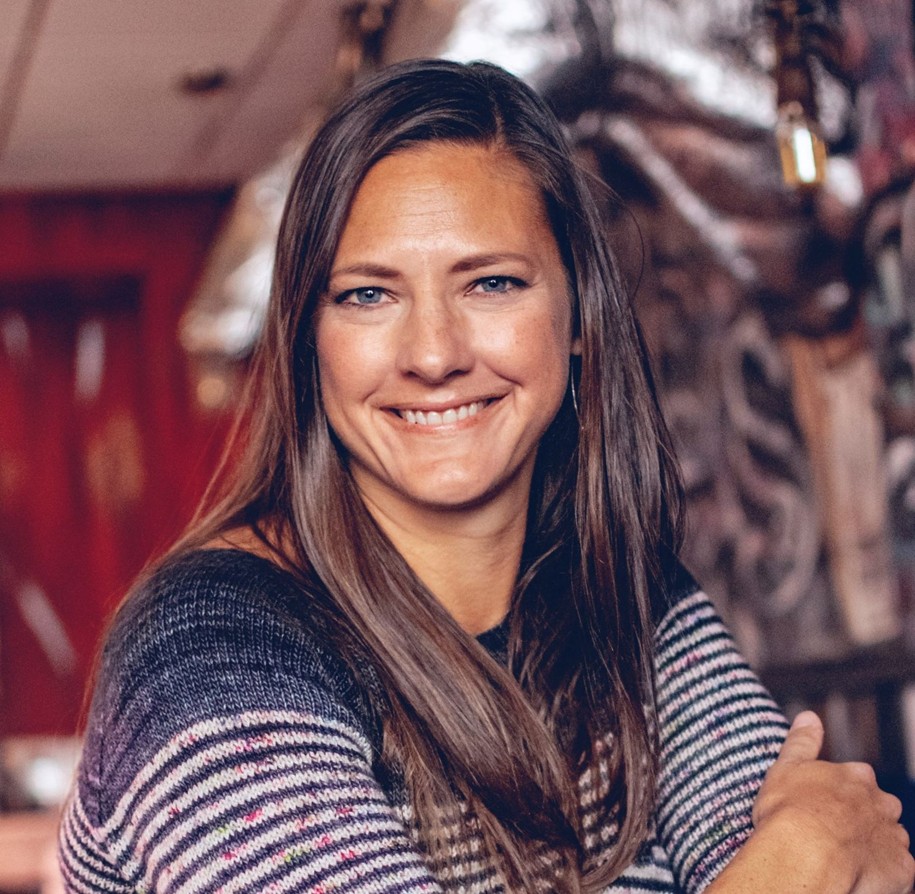 Lynn Warner is a Research and Health Sciences Librarian at the University of Cincinnati. Lynn supports students and faculty in the College of Nursing and College of Allied Health Sciences. She has a passion for information literacy instruction and enjoys teaching people how to find and evaluate the information they are seeking. Lynn has taken an interest in learning about AI tools and how they can (and can’t) be utilized in the research process, and has been involved in AI Literacy initiatives at UC.
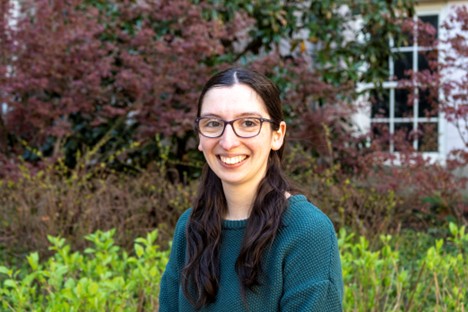 Madeleine Gaiser is an Online Learning and Instruction Librarian at University of Cincinnati’s College of Education, Criminal Justice and Human Services (CECH) Library. Joining UC Libraries in 2020, Madeleine supports academic research, maintains and creates online resources, and purchases library materials. Madeleine has participated in multiple AI initiatives at UC and regularly seeks professional development opportunities on the subject. In her free time, Madeleine collects cookbooks and enjoys longs walks through the Aldi Finds aisle.
Friday, May 1st: Building an AI Governance Framework
We will be returning to the Punderson Manor Lodge & Conference Center this year. The retreat will kick off with a light breakfast on Thursday,April 30th at 9:00 a.m. - the perfect time to catch up with your peers. The workshop will begin at 10 a.m. starting with AI Readiness for Library Leaders: Leading Staff, Assessing Readiness, and Understanding Your AI Landscape. The afternoon will focus on Coexisting, Not Competing: Librarianship in the Era of AI . We will conclude the first day at 4:00 p.m. Dinner will be at 6:00 p.m. with the tradition of rich conversations to follow. The second day will start with breakfast at 8:00 a.m. followed by Building an AI Governance Framework. We will conclude at noon with a quick lunch.
Thursday Morning, April 30th: AI Readiness for Library Leaders: Leading Staff, Assessing Readiness, and Understanding Your AI Landscape
Artificial intelligence is already influencing library work through vendor tools, staff experimentation, and patron expectations. For library leaders, the challenge is knowing how to lead people through the questions and uncertainty it brings. This three-hour workshop is designed for library directors, managers, and senior staff who want to build clarity and confidence before making decisions about AI. Participants will develop a practical, leader-focused understanding of AI, explore how staff typically respond to AI-driven change using the SCARF model, and begin examining their organization’s current AI landscape, stakeholders, and areas that may need greater attention. The session balances shared learning with guided reflection, using realistic scenarios and structured mapping activities that can be started during the workshop and continued afterward. Participants will also receive a leadership-oriented checklist outlining common next steps libraries consider as they move from AI readiness toward more intentional exploration or implementation.
Participants will leave with:
- A clear, non-technical understanding of what AI is and is not, and why it matters for library leadership
- Insight into common staff reactions to AI through the SCARF framework (Status, Certainty, Autonomy, Relatedness, Fairness), with strategies for leading change in ways that reduce threat and build trust
- Practical language and approaches for talking with staff about AI expectations, boundaries, and evolving practices
- A draft Stakeholder Map identifying who is affected by AI-related conversations and decisions across departments, administration, governance, IT, vendors, and external partners
- A draft Current State Map capturing where AI is already showing up in workflows, decisions, or vendor tools, including what appears to be working well and where questions and risks are emerging
- A leadership-oriented Next Steps Checklist to help assess readiness and consider thoughtful options for future exploration or implementation
- Increased confidence in assessing organizational readiness and identifying appropriate next steps related to AI
Crystal Trice, CSM, CSM@Scale, Library Consultant, Scissors & Glue, LLCCrystal Trice, founder of Scissors & Glue, LLC, has over 20 years of experience in education and local government, with a focus on improving collaboration and handling challenging situations with patrons and coworkers. She is passionate about creating environments where people work together more effectively.
With certifications as a Scrum Master and in Scrum at Scale for Government, Crystal holds a Master’s in Library & Information Science and a Bachelor’s in Elementary Education and Psychology. Her dedication to community enrichment fuels her work in supporting organizations to achieve their goals.
Afternoon Session: Coexisting, Not Competing: Librarianship in the Era of AI
While artificial intelligence is not new technology, the ways it can interact with people and information has changed rapidly in the past 5 years. AI chat systems are everywhere - AI in phones, on social media, and as independent services. But what about information professionals and libraries? How does AI affect librarianship and how can we respond? In this presentation, you’ll learn how AI and libraries can coexist through awareness, education, and thoughtful engagement. Librarians don’t need to embrace AI or become experts, but growing their own understanding is a key part of coexisting with AI and serving their users.
Presenters:
Lynn Warner is a Research and Health Sciences Librarian at the University of Cincinnati. Lynn supports students and faculty in the College of Nursing and College of Allied Health Sciences. She has a passion for information literacy instruction and enjoys teaching people how to find and evaluate the information they are seeking. Lynn has taken an interest in learning about AI tools and how they can (and can’t) be utilized in the research process, and has been involved in AI Literacy initiatives at UC.Madeleine Gaiser is an Online Learning and Instruction Librarian at University of Cincinnati’s College of Education, Criminal Justice and Human Services (CECH) Library. Joining UC Libraries in 2020, Madeleine supports academic research, maintains and creates online resources, and purchases library materials. Madeleine has participated in multiple AI initiatives at UC and regularly seeks professional development opportunities on the subject. In her free time, Madeleine collects cookbooks and enjoys longs walks through the Aldi Finds aisle.Friday, May 1st: Building an AI Governance Framework
Successfully integrating AI into your organization requires a roadmap to take your AI strategy from theoretical to functional. In this interactive session, Glen Horton will guide participants through the critical components of developing an AI governance framework that ensures your AI initiatives are aligned with your organization's mission, needs, and ethics.
 Presenter:
Glen Horton is the AI Architect at Sinclair College where he leads and implements the College's AI strategy and initiatives. He has over 30 years of experience developing and supporting technologies in higher education and libraries. Before joining Sinclair in 2025, he supported AI and software development initiatives at the University of Cincinnati Libraries. Glen is passionate about developing human-centered AI solutions that responsibly and safely benefit people and organizations.
Presenter:Glen Horton is the AI Architect at Sinclair College where he leads and implements the College's AI strategy and initiatives. He has over 30 years of experience developing and supporting technologies in higher education and libraries. Before joining Sinclair in 2025, he supported AI and software development initiatives at the University of Cincinnati Libraries. Glen is passionate about developing human-centered AI solutions that responsibly and safely benefit people and organizations.
Location
Setting: In-Person
Punderson Manor Lodge & Conference Center
11755 Kinsman Road
Newbury, OH 44065
Click here for Google Maps
Punderson Manor Lodge & Conference Center
11755 Kinsman Road
Newbury, OH 44065
Click here for Google Maps
Contact Person
Details
Who should attend: Directors and Deputy/Assistant Directors
Competency: Leadership, Innovation, and Communication
Cost: FREE
$190 surcharge for facility use and amenities.
On Your Own
Call the reservation line at 1-800-282-7275 to reserve a room under the NEO-RLS Meeting Block or Block Code LIBR by Tuesday, April 6, 2026.
Cost is $134.00 for a lodge room. All of the lodging is subject to a 6% lodging tax, and 3% beautification fee. Rooms are limited so book early.
It’s never too late to save your library money. NEO-RLS Memberships are pro-rated! Call us today to join.
Competency: Leadership, Innovation, and Communication
Cost: FREE
$190 surcharge for facility use and amenities.
On Your Own
Call the reservation line at 1-800-282-7275 to reserve a room under the NEO-RLS Meeting Block or Block Code LIBR by Tuesday, April 6, 2026.
Cost is $134.00 for a lodge room. All of the lodging is subject to a 6% lodging tax, and 3% beautification fee. Rooms are limited so book early.
It’s never too late to save your library money. NEO-RLS Memberships are pro-rated! Call us today to join.
Tell a Friend